API Integrations

Modern software products rarely work in isolation — they pull in payment providers, CRMs, logistics platforms, authentication services, and dozens of other third-party systems your users depend on every day. We build those connections with the reliability and maintainability your team will need six months from now, not just at launch. That means clean abstractions over external APIs, proper error handling, and integrations that don't quietly break when an upstream service changes its contract. Whether you're connecting to a single payment gateway or orchestrating data across a complex ecosystem of services, we treat API integration as a first-class engineering concern — not an afterthought bolted onto the edge of your product.

About API's

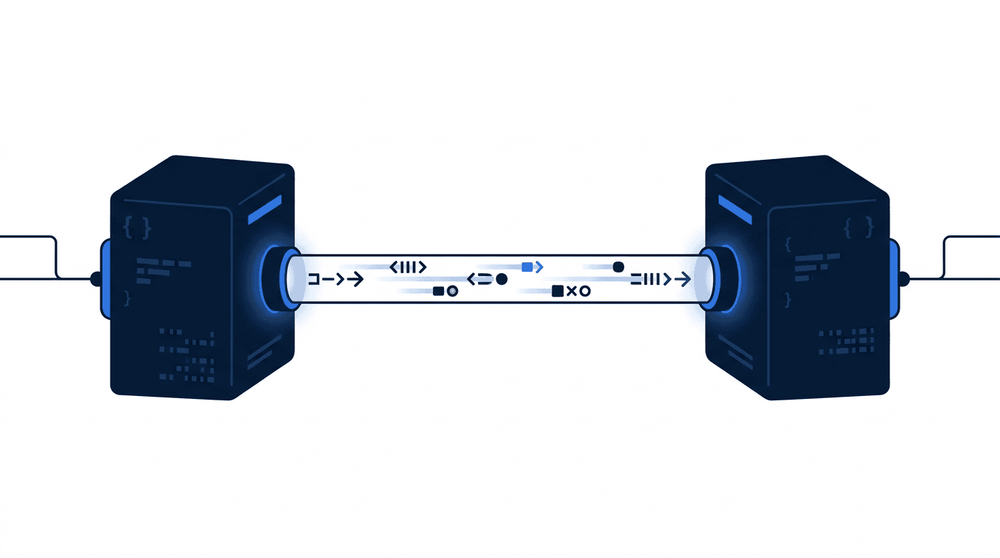
API (Application Programming Interface) integrations involve connecting different software systems or services to enable them to work together seamlessly. APIs facilitate the exchange of data and functionality between applications, allowing for enhanced features and interoperability. In the context of digital strategy, API integrations enable the connection of various tools and platforms, improving efficiency, data accuracy, and the overall user experience.

Isolated tools wait. Integrated systems work.

What We Build

We build integrations across the full spectrum of third-party services that modern applications depend on. That includes payment gateways such as Stripe, Mollie, and Adyen — handling checkout flows, subscription billing, and webhook-driven reconciliation — as well as authentication providers like Auth0, Keycloak, and OAuth 2.0-compatible identity services. We also connect applications to external data sources and internal systems through structured data pipelines, ensuring that records stay consistent across platforms without manual intervention.

On the API design side, we develop custom REST and GraphQL APIs from the ground up — defining schemas, authentication strategies, versioning policies, and documentation standards that make those APIs maintainable over time. Whether a project requires a thin integration layer that translates between two existing systems or a purpose-built API that serves multiple client surfaces, we scope and deliver it with the same rigour. The result is a connected system where each service does what it does best, and your application orchestrates them cleanly.
Image

How an Integration Actually Works

Every integration starts with mapping: which data needs to move, in which direction, and on what trigger. We document each endpoint, define the authentication method — OAuth, API keys, or service tokens — and agree on error-handling behaviour before writing a single line of code. In practice, that means building retry logic, handling rate limits, and logging failures in a way that makes debugging straightforward. The result is a connection that behaves predictably under load and recovers cleanly when something goes wrong.

Built Right vs. Bolted On

How a properly architected API integration compares to a hastily bolted-on one across the attributes that matter most in production.

Properly Architected IntegrationBolted-On Integration
ReliabilityHandles errors, retries, and timeouts by design; fails gracefullyBreaks silently or catastrophically when the external API changes or goes down
MaintainabilityAbstracted behind a clean interface; swap or update the API without touching business logicTightly coupled to implementation details; any API change requires broad codebase edits
SecurityCredentials stored in a secrets manager; scopes limited to what's neededAPI keys hardcoded or broadly scoped; exposure risk is high
ObservabilityRequests and responses logged with structured context; failures are traceableErrors surface only when users report them; root cause is hard to isolate
ScalabilityRate limiting and queuing handled explicitly; load is predictableRate limit errors appear under load; no backpressure strategy in place
TestingExternal calls are mocked or stubbed; integration tested in isolationNo test boundary between your code and the API; tests are brittle or absent
Long-term costLower — issues are caught early and changes are localisedHigher — technical debt compounds with every API version or feature change
Image

Security and Reliability by Default

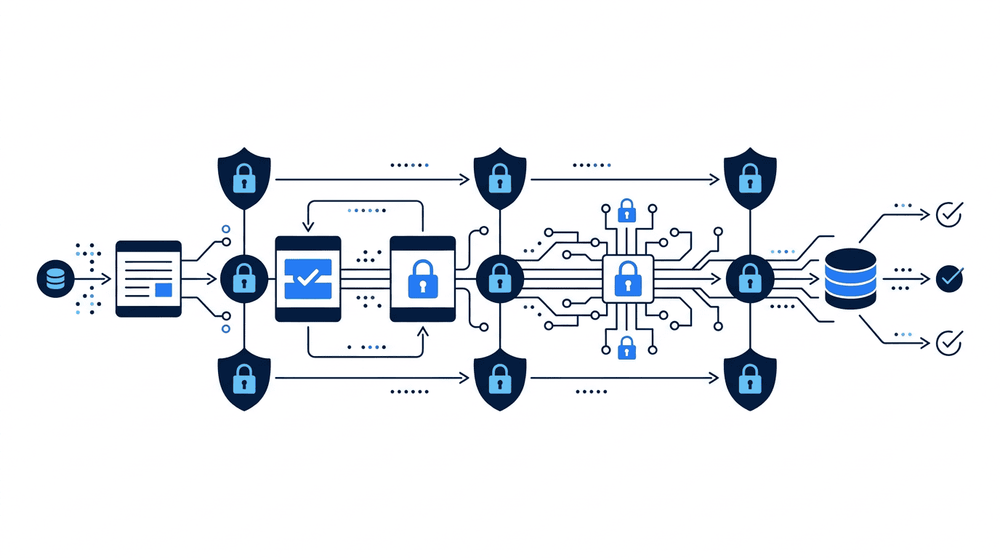
Every integration we build treats security and resilience as first-class concerns, not afterthoughts. We implement token-based authentication, enforce rate limiting to protect downstream services, and verify webhook payloads before any processing begins. When external APIs fail — and they do — our integrations handle errors gracefully, retrying where appropriate and surfacing failures transparently rather than silently breaking. The result is a connected system your team can trust in production.

API integrations are rarely a one-time task — they shape how your product evolves, how reliably it performs under load, and how quickly you can respond when a third-party provider changes its contracts. Choosing a development partner who treats integration work with the same rigor as core product engineering means fewer silent failures, cleaner data flows, and a codebase that stays maintainable as your stack grows. We bring that discipline to every connection we build: clear error handling, versioned contracts, thorough documentation, and an eye on the long-term cost of every dependency we introduce. If your product depends on external services — payment processors, logistics APIs, CRMs, or anything in between — we'd like to talk about how to make those connections a strength rather than a liability.

Frequently Asked Questions

Find answers to common questions about our services

Like what you see?

Get in touch and we will be happy to discuss your project.